A good shoe starts with the situation
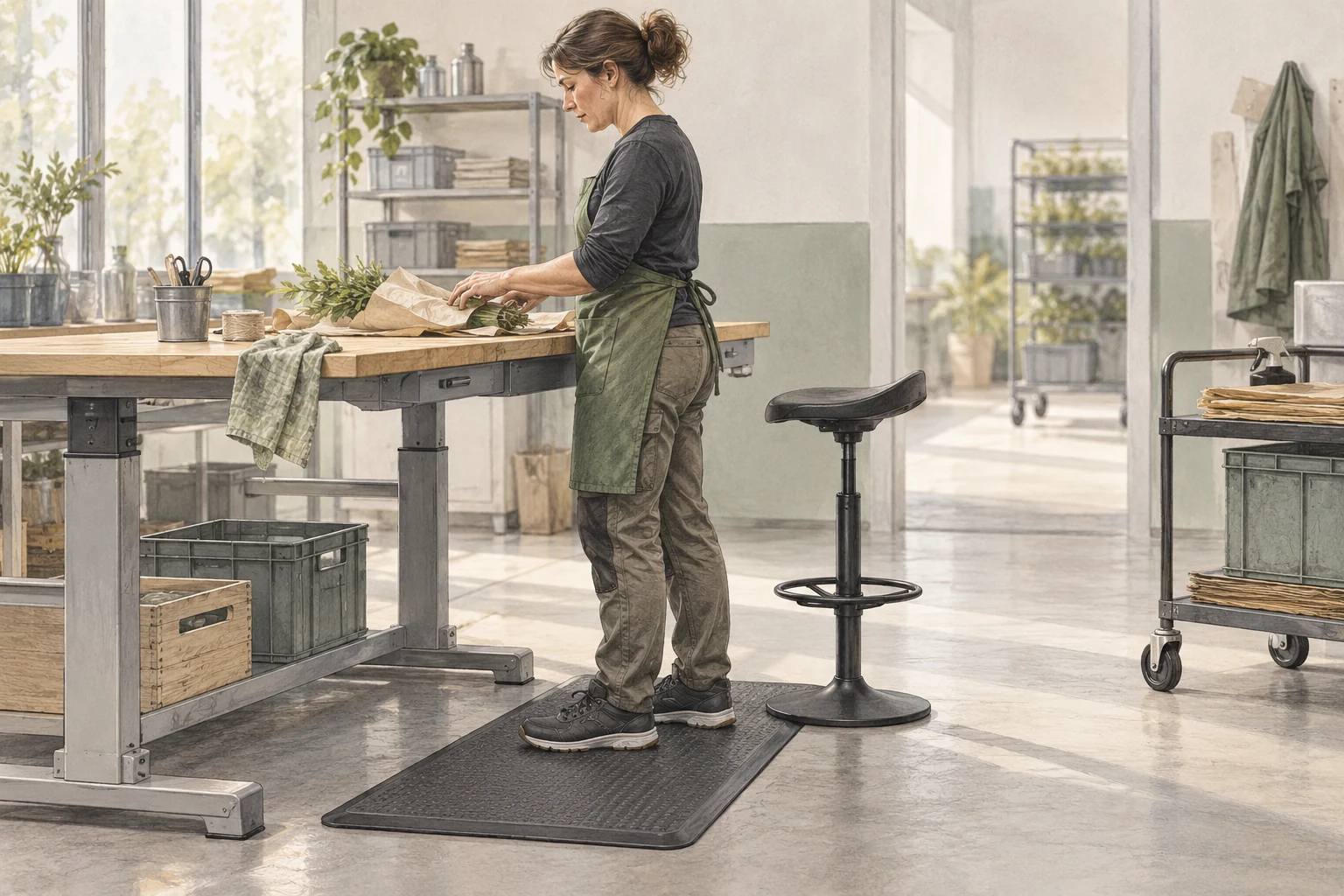
The shoe for a long service does not have to have the same characteristics as a shoe for a short lap outside. Think of safety requirements, subsurface, temperature and how much you stand or walk. It is difficult to apply an opinion that ignores these circumstances. The difference between indoors and outdoors can also be relevant if your symptom is mainly played on hard floors.
Thuisarts advises shoes that are comfortable and invites to see which type of sole the pain is less. This gives a useful starting point: assess your own response. A well-known brand, medical name or high price does not prove that the shoe is suitable for your foot and activity.
Soft, firm and supportive mean different things
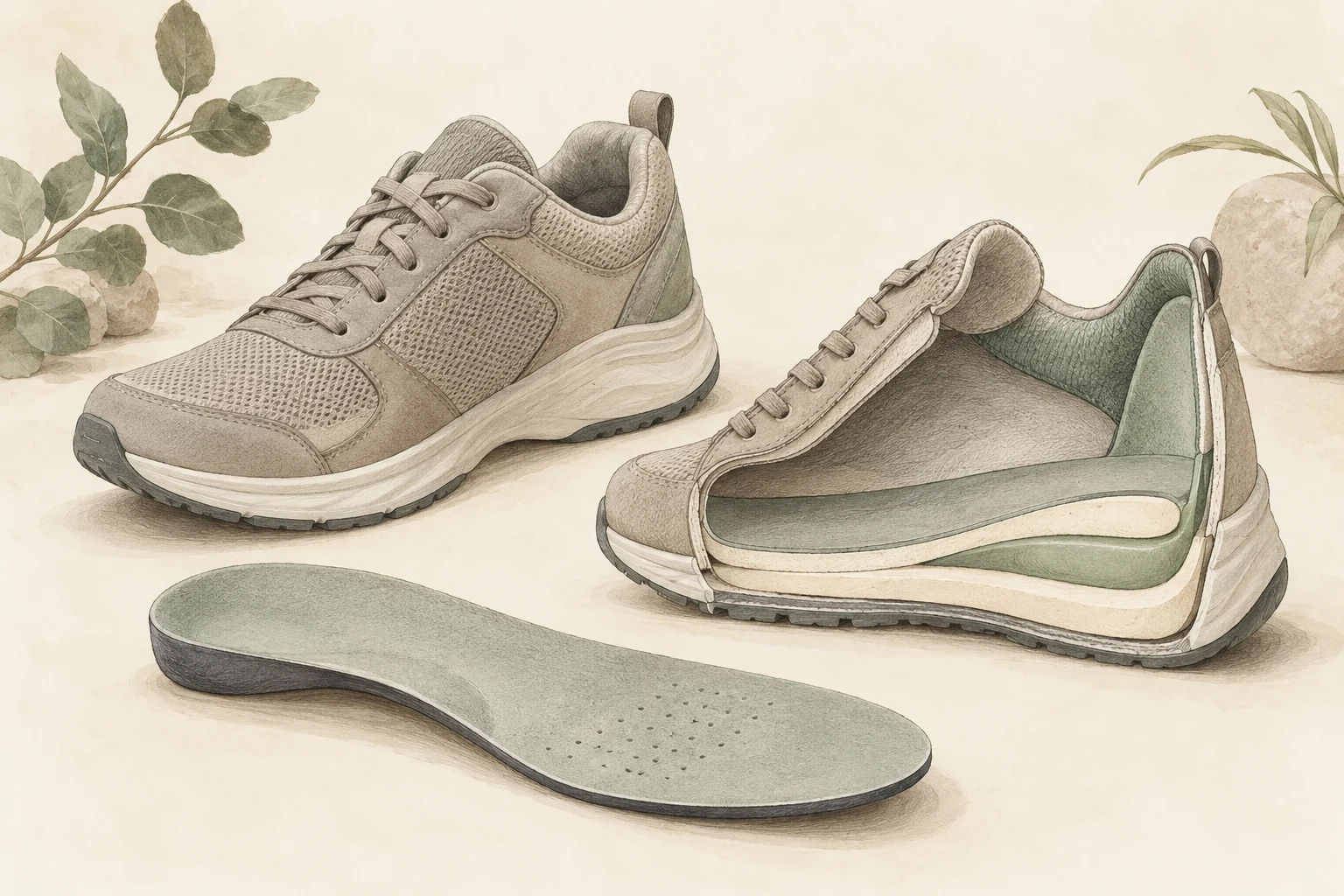
A soft sole can feel comfortable, but also unstable. A sturdier sole can settle nicely, but uncomfortable pressure on someone else. The top, width and connection around the heel also influence how the shoe feels. Anyone who compares only the damping thus misses part of the whole.
Moreover, the word support is not an exact description. Ask what it means: less bending of the sole, a certain shape of the footbed, more space or a firmer heel? This makes it possible to assess an opinion critically. A seller can tell something about a model; a healthcare provider can connect the choice with the symptom and functional need examined.
Fitting is important even after fitting
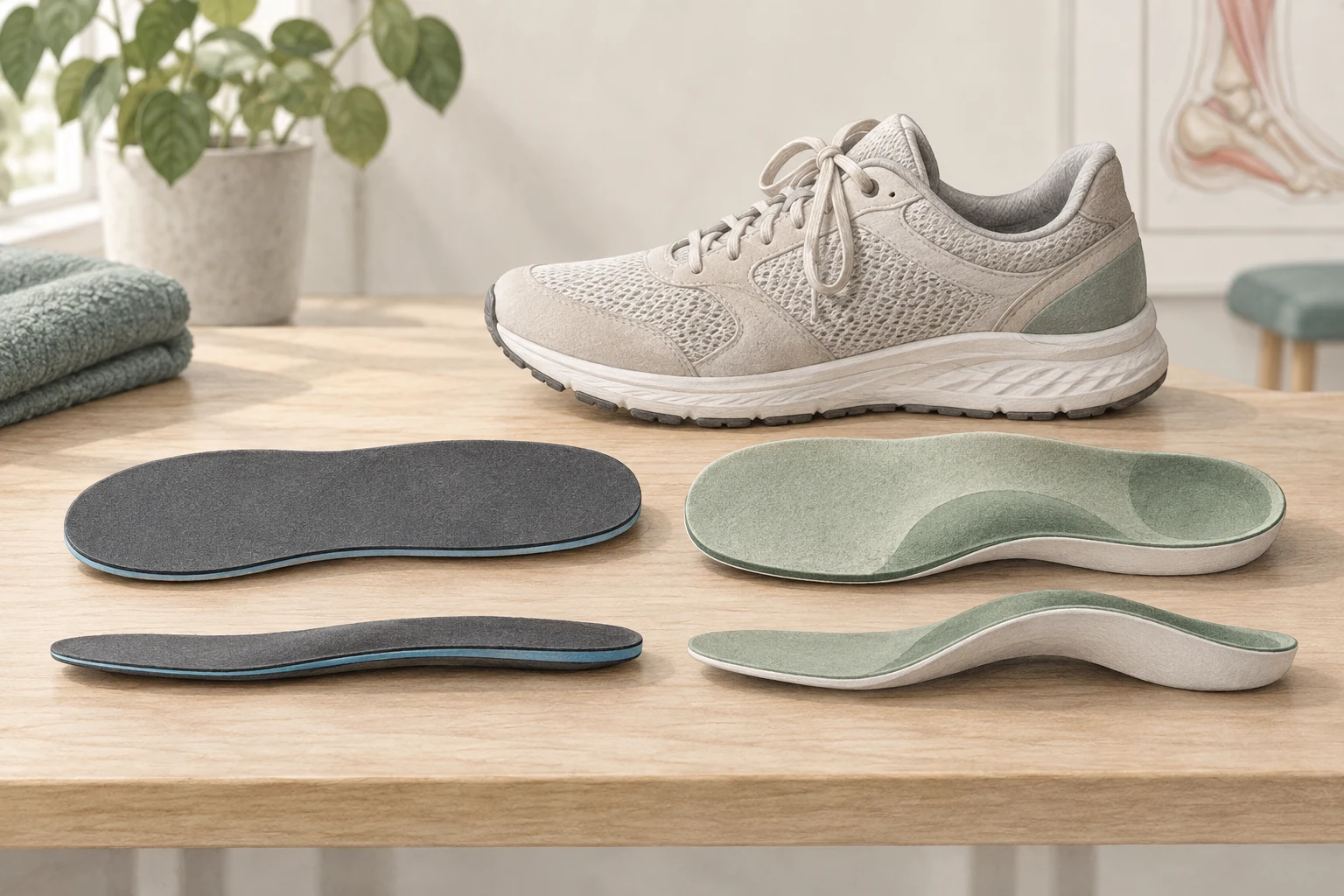
When fitting, take the socks you usually wear. Use your insoles, then check that there is enough space left and that the heel does not accidentally come out of the shoe. A combination of two thick sole layers can unpack differently than each tool individually. Ask for the possibility to remove an original insole when intended for the model.
During fitting, walk safely a piece and mark where pressure arises. A shoe that is only comfortable when you stand still has not yet been assessed for your daily activity. Ask in advance what possibilities there are to discuss fit or purchase if the model is disappointing in practice. Do not rely on return terms that have not been confirmed.
Gradually change and keep the comparison fair
The Dutch guideline on education recommends personalising footwear advice. Different approaches exist side by side; a quick switch to completely different footwear is not automatically beneficial. Habitation and response to activities should be taken into account.
One example: you buy new shoes and make the same day a much longer walk than usual. If your heel hurts afterwards, it is not clear whether the shoe, distance or combination made the difference. You'd better start with a known activity. Let the first comparison be based as much as possible on the same circumstances. The goal is to collect useful experience, not a home test that proves a diagnosis.
A pass and use check for your own choice
Use these points as preparation for a shopping or care conversation:
- What task do you need the shoes for: work, hiking, sports or home?
- Does the width fit without tightening and the heel remains comfortable in place?
- Is there room for a possible existing sole without new pressure spots?
- Does settling feel comfortable during a known short running activity?
- Is your way of walking changing to bear the shoe?
- How does the heel react later and when standing up after rest?
Write on what is pleasant or unpleasant, for example pressure on the side or a wobbly feeling. Those words give us more clues than just good or bad. In case of loss of sensation or fragile skin, expert assessment of fit is especially important; trusting in pain as a warning may be insufficient.
When is looking further more meaningful than buying shoes again?
When several well-fitted models make little difference, it is wise to re-examine the symptom and total physical load. Perhaps the most important question lies with the duration of work, training or any other cause of the pain. Trying a new product can cost time and money without making the treatment demand clearer.
Ask what the purpose of a next shoe adjustment is and when you assess the effect. An adjustment can offer temporary comfort while other parts of the plan go through. It doesn't have to stay necessary forever, but stopping or switching is best linked to functioning and the response of your heel. For example, footwear remains a tool within an understandable approach.
Frequently asked questions
Should I choose the softest shoe for heel pain?
Not necessarily. Softness, stability, fit and settlement work together. A very soft sole can be pleasant for one person and restless for the other. Compare during a known activity and also involve the reaction later in the day.
Are minimalist shoes forbidden in heel pain?
There is no general prohibition for everyone, but a sudden big change can be difficult when you already have symptoms. The fitness depends on your situation and habit. Discuss a switch, especially when your current daily load is hard to sustain.
Can I put my existing support soles in every shoe?
That's not self-evident. The combination shall provide sufficient space and not disturb the fit. Check that the sole is intended for that type of shoe and ask advice if necessary. New pressure spots are not a sign that you simply have to walk through them.
Do I need special shoes for home?
Only if the circumstances there are a problem and a suitable adjustment helps. Note, for example, long standing or hard flooring. You don't automatically need to buy a new product; sometimes a comfortable existing pair is practically usable.
Sources and evidence
- Thuisarts — I have pain under my foot (hilt trail) (2026) ↗
Load during standing and walking, comfortable footwear and symptoms pattern.
- guideline Fasciopathy plantar — Education (2026) ↗
Personal load advice, footwear and realistic expectations.
A personal follow-up step
From insight
to an appropriate plan.
At a paid intake, we'll discuss your symptom and do targeted research. ultrasound is included at no extra cost when it makes sense. Any treatments are agreed separately.
View the initial consultation