Your story contains diagnostic information
When pain began, what movements cause discomfort and how the symptom behaves over the day, are no non-binding questions. They're helping determine what explanation is likely. A sudden start after an incident raises questions other than gradually increasing discomfort during sports.
Therefore, describe not only where it hurts, but also what preceded it and what you can't do now. The relationship with load can be more important than one pain rate at the time of the appointment.
That doesn't mean that every story gives one diagnosis right away. It helps the clinician to organize possibilities and conduct targeted physical examination. A good intake starts with this before imaging is considered.
What's the guy who's investigating?
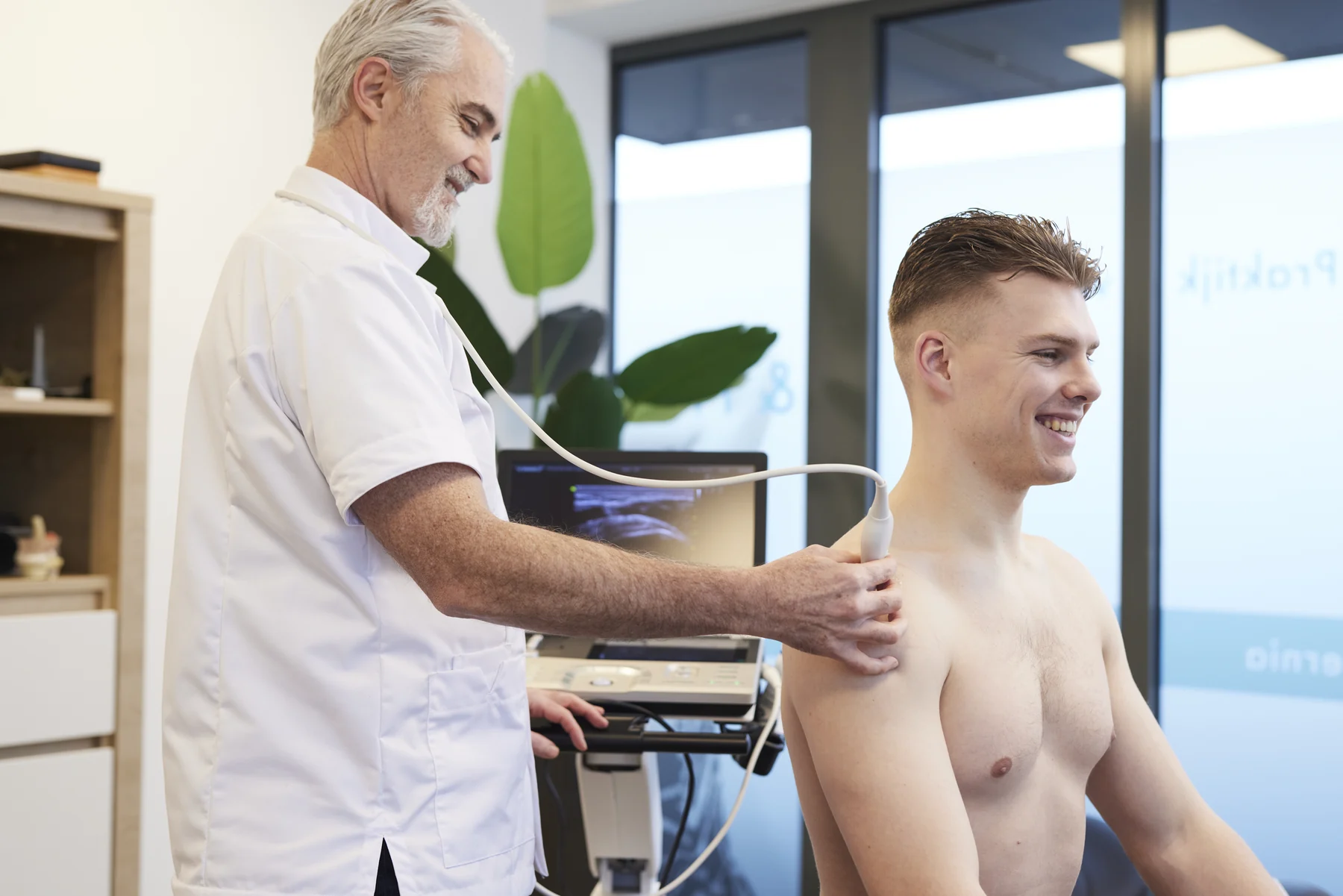
Physical research can provide information about local sensitivity, movement, strength and reactions to certain actions. Which parts are useful depends on the symptom. One test is generally not interpreted separately from all other information.
In Achilles' tendon symptoms, the Dutch guideline on the consistency of clinical findings. If the cartridge fits sufficiently, no routine additional imaging is advised.
For you, it's especially relevant that the clinic can explain how the findings lead to the work diagnosis. Ask which results support and which points give cause for doubt. So without a scan, it is not confused with without a support.
Why a scan doesn't always add security
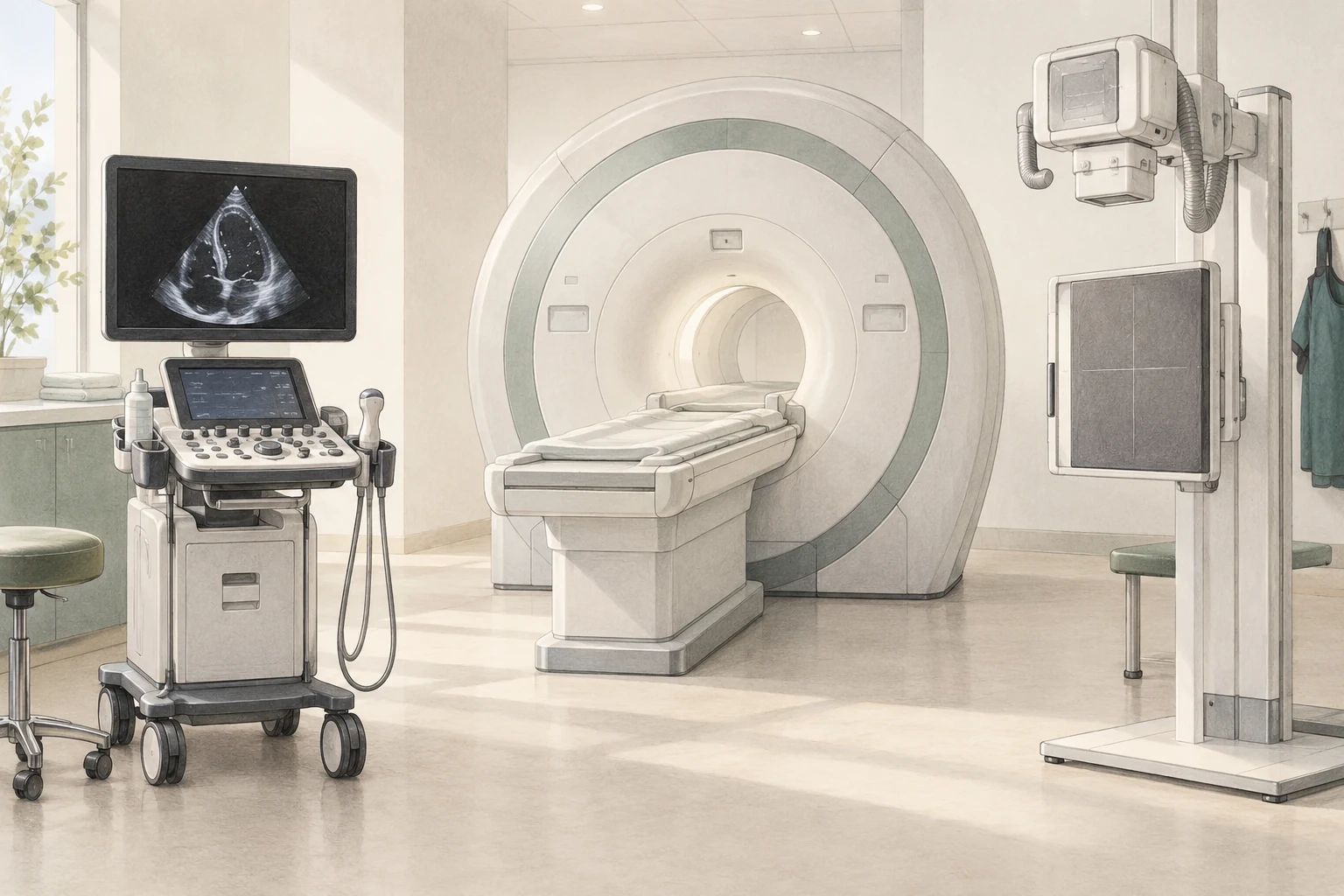
Imaging can show features that also occur in people without symptoms. Therefore, the presence of a derogation does not automatically prove that it causes the problem. In addition, a scan cannot give a full description of your daily functioning.
In case of shoulder symptoms, Thuisarts explains that an ultrasound or photo is usually not necessary in case of short-standing symptoms. One reason is that the treatment plan often doesn't change.
More information is only useful when it helps with a decision. If a scan mainly produces new terms without practical consequence, the experienced certainty can decrease. That is why a specific question in advance is so important.
A work diagnosis may be sufficient to begin
A work diagnosis is the best explanation based on the available information. It offers guidance and can be tested later. It is not a random gamble or an irrevocable label.
A first plan may, for example, be aimed at explaining, adjusting provocative loads and building functioning. The follow-up shows whether the symptoms pattern is developing as expected. There remains room to re-assess the statement.
Ask what is an expected development and what change triggers another step. This makes the plan concrete without promising that each symptom will disappear within a fixed period.
When will additional research still make sense?
If the symptoms do not fit correctly with the probable diagnosis, a scan can answer a targeted question. An unexpected change during the guidance may also change the balance. So it's not just about the number of weeks that pain exists.
A new trauma or sudden loss of function requires an own assessment. You don't have to hold on to an earlier explanation about overload. New information may require another diagnosis or care route.
In case of a scan proposal, ask exactly what one wants to confirm or exclude. An answer to that question helps understand why imaging has value now, when it was not needed before.
Discuss your need for security
Sometimes you want to know if moving is safe or if something serious is missing. Say that directly. The controller will then be able to explain how the investigation deals with these concerns and what limits remain.
If necessary, use this short conversation summary:
- This is my biggest concern about the symptom.
- I understand this from the probable diagnosis.
- This is what I want to know about moving and load.
- With this change, I will contact you again.
Reassurance is stronger when linked to concrete findings and a follow-up plan. Just saying that a scan is not necessary can be insufficient when you do not understand the reason.
So you don't have to choose between blind trust and more and more research. A careful clinical judgement, understandable explanation and an agreed re-evaluation can together form a solid basis for the first approach.
Frequently asked questions
Can the clinicer feel a tendon problem?
Local sensitivity and other physical findings may contribute to the assessment. They are combined with your story and functioning. Feeling alone or one painful test is usually not a complete diagnosis; the coherence of information is important.
Is a work diagnosis less serious than a diagnosis based on a scan?
A work diagnosis is a substantiated explanation that can be adjusted. A scan finding should also be interpreted clinically. The quality of the diagnosis depends not only on the presence of images, but on the consistency between all relevant information.
Shouldn't I ask for an ultrasound if exercises don't help?
You can ask if the diagnosis should be re-evaluated. This can lead to imaging, but also to modification of the plan or further explanation. The relevant question is what uncertainty exists and what an ultrasound adds to the decision.
What if I don't feel reassured without a scan?
Discuss exactly what you fear, for example a tear or insecurity when moving. Ask how the study assesses that care and when re-evaluation is necessary. For example, the explanation can be in line with your question rather than just about whether or not to scan.
Sources and evidence
- guideline Achilles tendinopathy – diagnosis (2020) ↗
Clinical diagnosis, targeted imaging and limits of ultrasound information.
- Thuisarts – My shoulder hurts. ↗
Anamnesia and physical examination; imaging is usually not necessary in case of short-standing shoulder problems.
A personal follow-up step
From insight
to an appropriate plan.
At a paid intake, we'll discuss your symptom and do targeted research. ultrasound is included at no extra cost when it makes sense. Any treatments are agreed separately.
View the initial consultation