Grab power is a function, not a loose number
A firm handshake, carrying a full pan and holding a racket all three use your grip, but not the same way. A strength measurement can give information, while your daily problem is mainly about long retention or repeated movement.
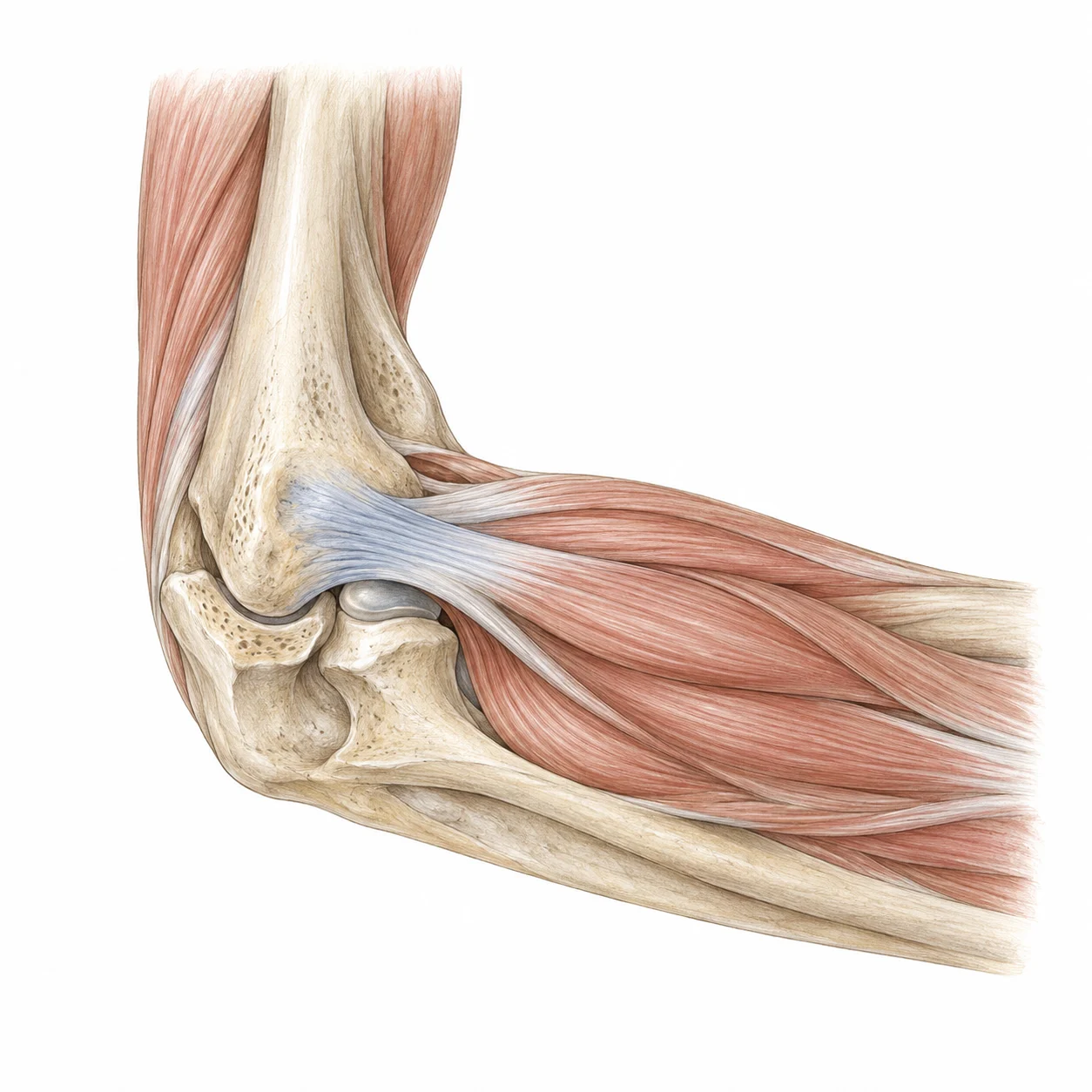
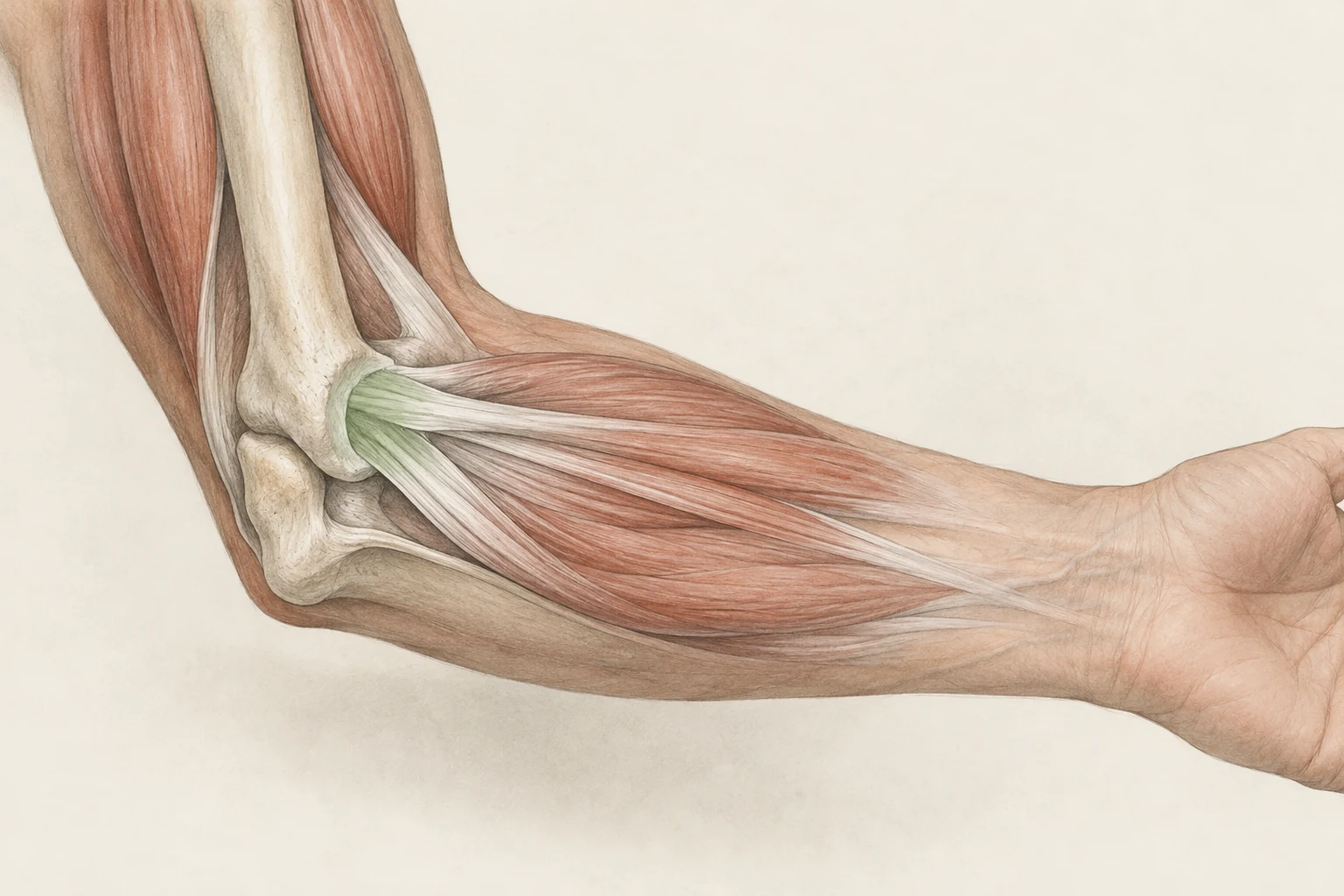
Thuisarts on tennis arm describes that grabs, lifts and certain wrist movements can cause pain. Other attachments are involved in a wave arm. That's why building up starts with knowing what kind of symptoms you have.
Name a concrete task before you buy a practice tool. I want to be able to move a light pan with two hands is a better starting point than my gripping force should be maximum. The first goal helps determine which exercise or adjustment is relevant and how progress becomes visible.
First determine why the grip is limited
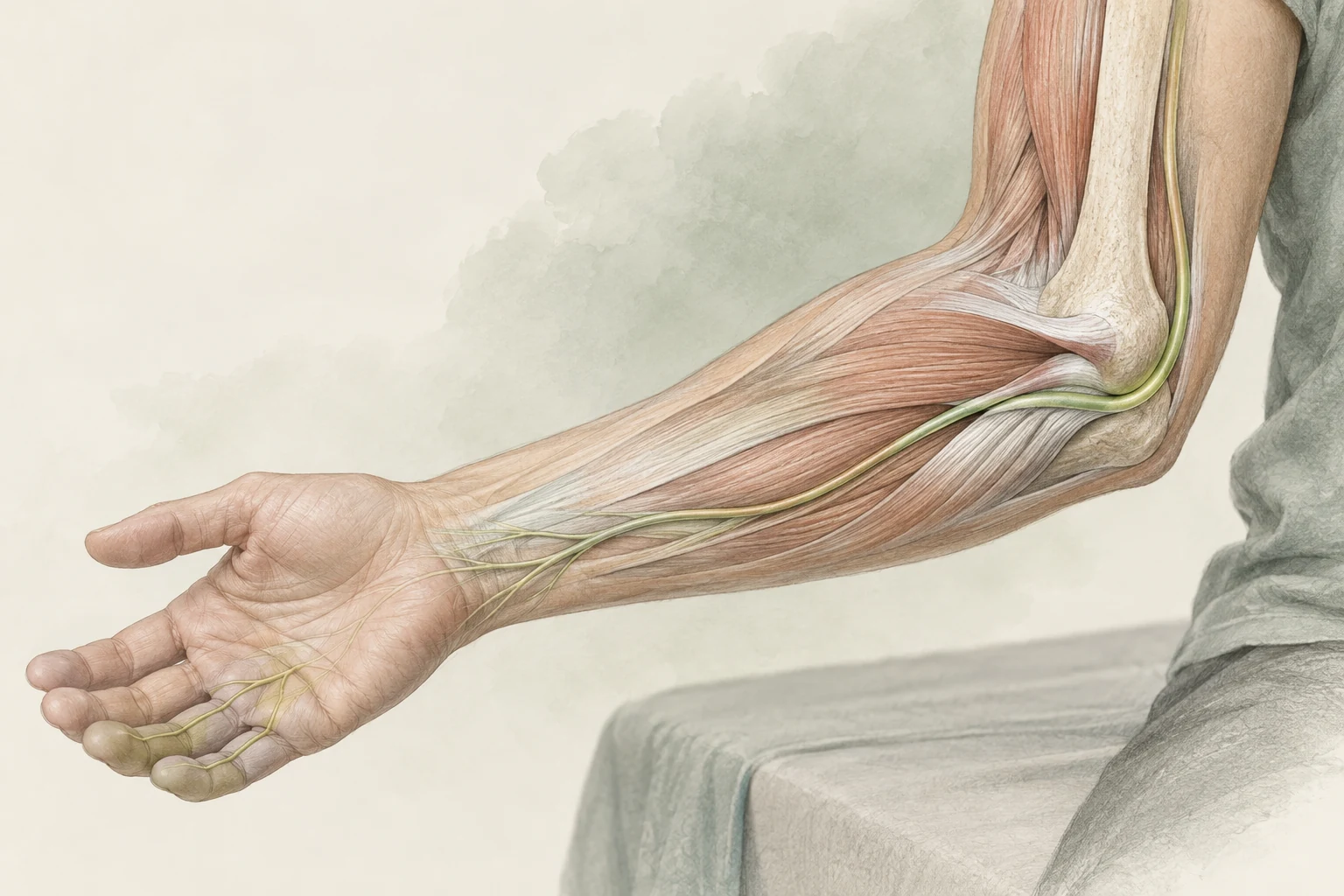
Less strength can be associated with pain, uncertainty or any other medical problem. New sensational changes or obvious hand weakness are therefore part of the study. Radboudumc describes such phenomena with a pinched elbow nerve. You can't assume every reduced grip comes through a tennis elbow.
Describe whether you release objects, which fingers feel differently and whether the limitation began gradually or suddenly. A clinician can then assess whether there are any indications to look further.
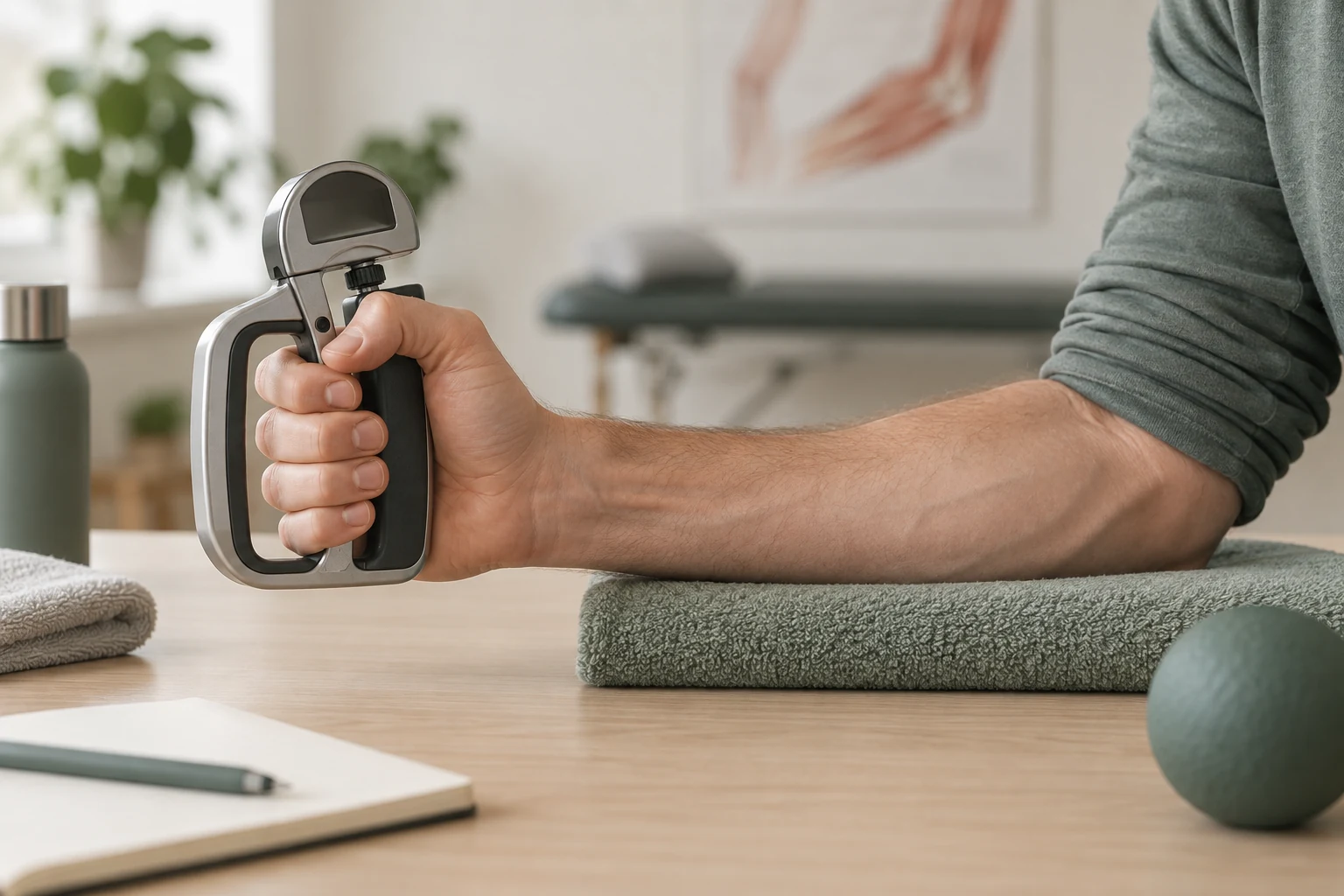
Do not perform repeated maximum squeeze tests at home to obtain certainty. If you use a different object, arm position or other effort each time, the results are poorly comparable. A normal task under the same conditions is often a more useful observation for the conversation, without making a diagnosis.
Which can add guidance
The NHG Explanatory Note Describes that referral to exercise therapy is selectively considered. Thuisarts emphasizes that it is uncertain whether physical therapy or practice therapy makes tennis arm disappear faster. A practice plan therefore deserves a concrete practical goal, without a promise of healing.
Guidance can help if you don't know how to use the arm, if your work doesn't work or if your sports require a lot of forearm. For example, ask for a comparison of multiple performances of the same task or explanation of an appropriate entry.
Capture what the counseling will bring. Can you do a job with less difficulty? Do you understand how you adjust to a reaction? Such goals are better to follow than a general mission to make the tendon stronger.
Build back from task to exercise
Discuss which feature is needed for your purpose: short force, longer hold, or more often perform the same action. An exercise can be adapted to this. The material is not an end in itself.
Example: training a squeeze ball does not automatically match a heavy box with a stretched wrist. The circumstances are different. Your clinician can help you choose an executable intermediate step that looks like your job.
Choose which variable changes first. This can be resistance, duration, number of repeats or arm position. Raising everything at once makes it difficult to understand what causes the reaction. There is no general number of repeats that each elbow needs.
Keep your sights on all day.
Your forearm is already being used outside the rehearsal moments. Working, cooking, lifting and sports count in the practical planning. When you add extra squeeze exercises to a day with a lot of tools, a schedule on paper can unpack quite differently.
Use a short grip registration:
| One moment. | What do you want to know? |
|---|---|
| For the task | How's just use today? |
| During the task | What execution and amount have you done? |
| Later | Is there a marked change in symptoms or function? |
| Next appointment | What does adaptation or explanation require? |
There's no need to capture every little feeling. The overview should help you discuss a pattern, not keep an eye on your elbow all day. Use the same words and the same task so that comparison remains possible.
When you change the plan
A suitable structure is adjustable. If an exercise is not executable, it requires an explanation or another version. If work becomes temporarily heavier, it may be necessary to look at the overall planning. A missed practice day doesn't mean your recovery is lost.
Contact us if there is a marked deterioration, new tingling or decreasing skill of the hand. Also swelling or an elbow that moves less well deserves assessment. Such changes require more than adjusting the resistance of a squeeze ball.
Evaluate together whether your relevant task is progressing. If this does not happen, discuss the diagnosis, execution and expectations again. The Dutch guideline does not recommend referral for shockwave and the use of a brace in epicondylitis; persistent pain when grabbed does not automatically make those treatments appropriate.
Frequently asked questions
Do I have to practice with a squeezeball every day?
That's not a general rule. First of all, it must be clear what function you want to improve and what burden already comes from work and daily tasks. A simple tool can be a component, but is not automatically appropriate for every painful elbow or gripping task.
Is more squeeze power always the main goal?
No. Sometimes the problem is precisely the length of retention, a certain pulse or repetition. Choose a goal from your own life. A higher maximum score has less meaning if the task for which you seek help is still not feasible.
Can a drill give you pain?
It will be tailored to your diagnosis and response. A little sensitivity in normal arm use may occur, but a fixed pain rate from a blog is not a personal limit. Also agree what you do if you continue to increase or reduce function.
When is loss of power a reason for investigation?
In case of new or increasing power loss, dropping objects, loss of sensation or tingling, assessment is important. That could be a different question than pain with a tendon insertion. Don't just keep solving such changes by squeezing more or exercising harder.
Sources and evidence
- Thuisarts: I have a tennis arm (2025) ↗
Pain at grabs, normal movement with activity adjustment and uncertain effect practice therapy.
- NHG: revised standard Epicondylitis ↗
Selective exercise therapy and not recommend automatic additional treatments in epicondylitis.
- Radboudumc: Ulnar neuropathy at the elbow ↗
Tinglings, sensational change and decreasing manual skill in the pinching of the elbow nerve as a reason to assess more widely.
A personal follow-up step
From insight
to an appropriate plan.
At a paid intake, we'll discuss your symptom and do targeted research. ultrasound is included at no extra cost when it makes sense. Any treatments are agreed separately.
View the initial consultation